If you are looking at Chesterfield for your next rental or flip, one fact stands out fast: this is still a tight housing market. Prices sit in the low $400,000s countywide, vacancy is low at 3.8%, and entry-level inventory has become harder to find over the past several years. That can make investing feel competitive, but it also creates opportunity if you focus on the right property type, the right submarket, and the right numbers. Let’s dive in.
Why Chesterfield gets investor attention
Chesterfield County offers a strong mix of suburban demand, high homeownership, and limited vacancy. According to the county’s FY2026-FY2030 housing analysis, median household income reached $99,658 in 2023, homeownership was 79%, and renter cost burden rose to 53%.
For you as an investor, that tells an important story. Many households still want housing in Chesterfield, but affordability pressure has increased. In practical terms, that can support steady demand for well-located rentals and create resale opportunities for updated homes priced for today’s buyers.
The challenge is that the market is not cheap. County analysis shows median sales prices reached $413,278 for single-family homes, with existing single-family homes at $385,750 and new single-family homes at $477,473. Only 31% of sales were below $350,000, down sharply from 72% in 2018-2019.
What the current numbers say
If you want a quick market anchor, recent price trackers point to the same general range. Zillow places the typical home value in Chesterfield County at $409,268, and Redfin reported a March 2026 median sale price of $419,975.
Rental numbers also matter when you are comparing hold versus flip strategy. Zillow shows average asking rent around $1,827 countywide, while the county reports median gross rents of $1,369 for one-bedroom units, $1,622 for two-bedroom units, $1,743 for three-bedroom units, and $1,887 for four-bedroom units.
Those figures suggest Chesterfield can support solid rental demand, but your deal still needs to be purchased right. In this market, overpaying on the front end can quickly shrink your margin whether you plan to hold or resell.
Best property types for small investors
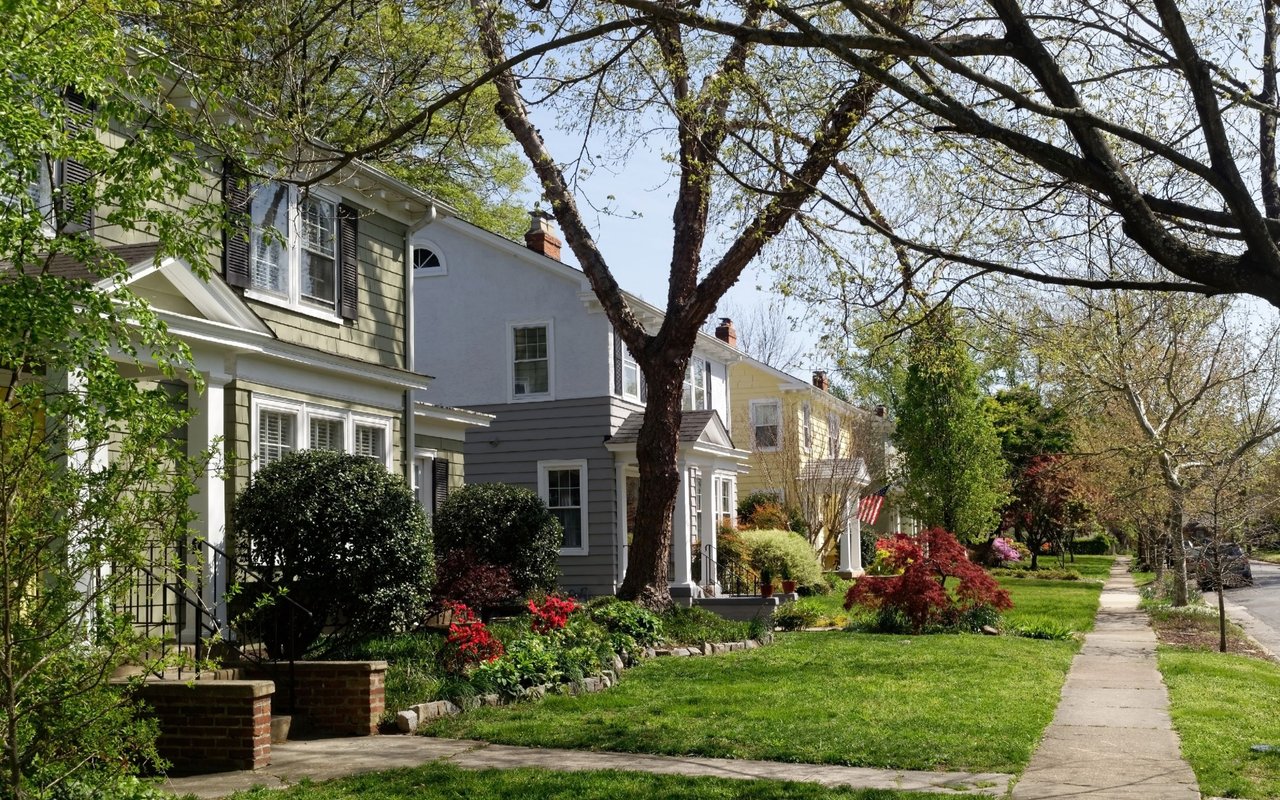
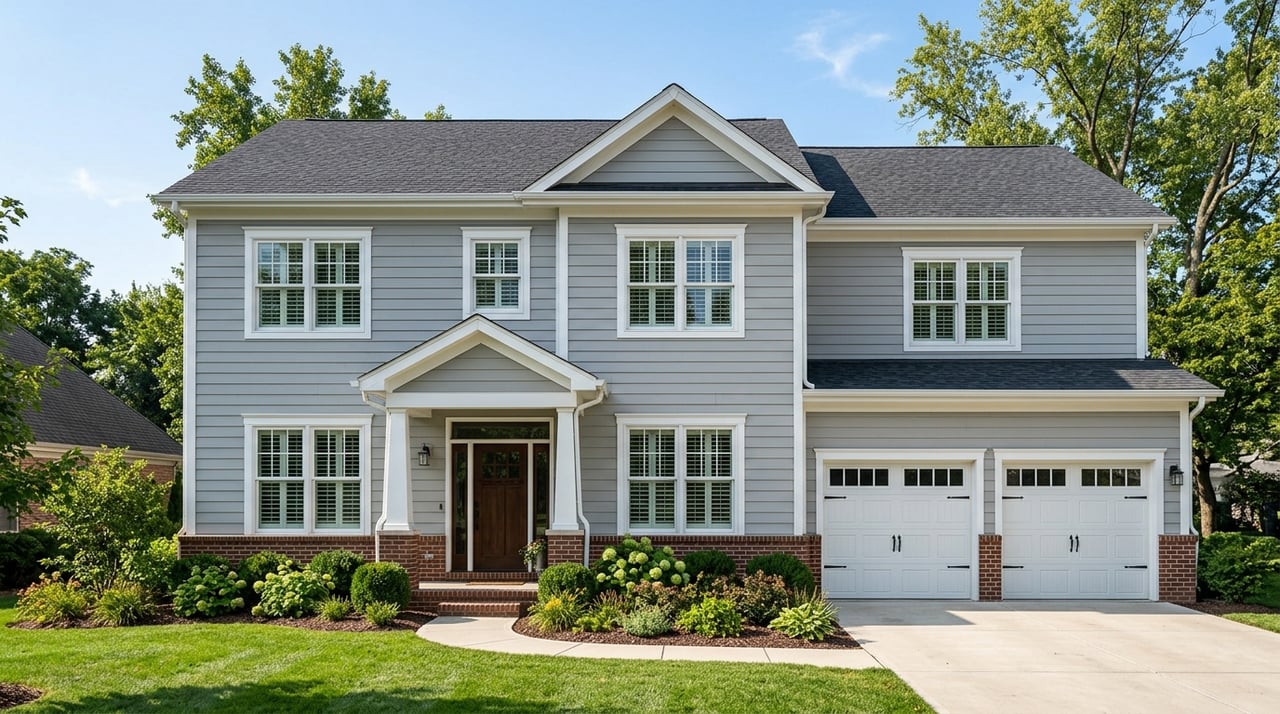
Chesterfield is largely a single-family market. The county reports that its housing stock is made up of 78% detached single-family homes, 5% townhomes, 8% small multifamily, 4% large multifamily, 3% two-to-four unit buildings, and 1% mobile homes.
That matters because your most realistic inventory pool is usually going to be value-add single-family homes or townhomes. Smaller multifamily properties and manufactured-home niches exist, but they are a much smaller part of the county’s housing stock.
For many local investors, that means the sweet spot is an older house with cosmetic upside, deferred maintenance you can budget for, or a layout that can be improved without major structural changes. In Chesterfield, the basic strategy is often simple: buy below the strongest comparable sales, improve condition, and align the property with local buyer or renter demand.
Where lower entry points are more likely
Countywide averages can be useful, but they do not tell you where to shop. ZIP-level pricing gives you a better investor lens.
Recent Redfin median sale prices were about $323,250 in 23237, $330,000 in 23234, $379,996 in 23831, and $445,000 in 23832. Zillow also shows a wide spread among submarkets, from Bellwood at $322,464 and Bensley at $254,588 up to Chester at $390,093, Chesterfield at $411,951, Midlothian at $467,648, and Moseley at $617,436.
For many small investors, lower-entry areas like 23234 and 23237 may offer more room to make the numbers work. Mid-market areas like 23831 can still be attractive, but discounts may be harder to find. Higher-priced western and southern submarkets often require larger rehab budgets and leave less room for error.
Areas that may fit value-add strategies
Chesterfield County’s own neighborhood analysis points to several areas with more affordability pressure, lower ownership rates, and a larger share of multifamily or mobile-home stock than the county overall. These include northern Bellwood, northern Manchester north of Midlothian Turnpike, western Manchester, Bensley, Meadowbrook, eastern Chesterfield, and areas near Ettrick.
The county’s FY2025-FY2029 planning priorities also highlight housing and neighborhood investment in Northern Route 1, Eastern Route 60, Eastern Route 360, Route 10, and Ettrick. For investors, these corridor-adjacent areas can be worth close attention when you are hunting for older homes with upside.
That does not mean every property in those areas is a deal. It means these locations may offer a better chance of finding value-add inventory than higher-priced sections of the county where renovated homes already command premium pricing.
How to underwrite a Chesterfield rental
If your goal is long-term hold, start with local rent benchmarks instead of broad guesses. Chesterfield’s Fair Market Rent figures are $1,157 for studios, $1,183 for one-bedroom units, $1,336 for two-bedroom units, $1,727 for three-bedroom units, and $2,100 for four-bedroom units.
The county’s median gross rent data adds another useful layer. It shows $1,369 for one-bedroom units, $1,622 for two-bedroom units, $1,743 for three-bedroom units, and $1,887 for four-bedroom units.
In plain terms, 3- and 4-bedroom houses may align more naturally with Chesterfield’s broader single-family stock and rent profile. That can matter if you are comparing a small house that needs a full renovation to a larger home where the rent potential may better offset your total project cost.
Before you move forward on a hold property, stress-test these line items:
- Purchase price
- Rehab budget
- Property taxes
- Insurance
- Vacancy
- Repairs and maintenance
- Property management
- Leasing costs
- Expected monthly rent
Chesterfield reassesses real estate annually, and the 2026 tax rate is $0.89 per $100 of assessed value. That makes taxes a real part of your underwriting, especially if your improvements may influence future assessed value.
How to underwrite a Chesterfield flip
For flips, your first rule is simple: do not rely on countywide averages for after-repair value. A property in 23237 should not be comped like a property in 23832, even if both are in Chesterfield County.
You also need to account for local selling pace. Redfin reported median days on market of 32 in 23237, 46 in 23234, 42 in 23831, and 65 in 23832 in March 2026. That suggests liquidity can vary meaningfully by submarket.
A slower resale timeline affects your carrying costs and risk. If you are flipping in a higher-priced area with longer market times, your budget needs more cushion for taxes, utilities, insurance, and financing costs.
Rehab items that deserve early attention
When you look at older housing stock in Chesterfield, the county identifies several common repair issues in aging homes: roofs, siding, HVAC, and plumbing. Those should be front-and-center in your inspection and bid process.
Cosmetic updates can help with resale appeal, but major systems often determine whether a deal is actually profitable. A home that looks like it needs paint and flooring may also need a roof, an HVAC replacement, or plumbing work that changes the whole project budget.
That is why many experienced investors build their scope from the outside in. Start with structure and systems, then move to finishes once you understand the true cost of making the property safe, functional, and marketable.
Permits can change your timeline
One of the easiest ways to underestimate a project is to ignore permit rules. Chesterfield requires permits for many electrical, gas, mechanical, plumbing, and structural projects.
At the same time, some cosmetic work is generally listed as no-permit work, including painting, floor coverings, cabinetry, gutters, and some non-structural window or door replacement. Knowing the difference can help you build a more realistic rehab timeline.
If your flip or rental depends on major system upgrades, permit review and inspections should be part of your planning from day one. Delays here can affect both your budget and your expected exit date.
A practical Chesterfield investment approach
For many small investors, the most workable path in Chesterfield is not chasing perfect properties. It is identifying homes in lower-entry submarkets where you can add value through smart repairs, accurate pricing, and disciplined underwriting.
That often means focusing on older single-family homes or townhomes, using ZIP-specific comps, and avoiding the temptation to stretch your numbers to make a deal look better than it is. In a market where prices have climbed and lower-cost inventory has tightened, discipline matters more than ever.
If you are deciding between a rental and a flip, let the property guide the strategy. A house with strong rent support, manageable repairs, and durable neighborhood demand may make sense as a hold. A house with clear resale upside, faster local turnover, and a realistic renovation budget may be better suited for a flip.
The key is to stay local, specific, and numbers-driven. Chesterfield has opportunity, but the best deals usually come from understanding the block, the ZIP code, and the real cost to execute your plan.
If you want help finding Chesterfield properties, reviewing local comps, or narrowing down which areas may fit your investment goals, connect with The Lemus Group. Our team brings local Greater Richmond market knowledge, investor-focused guidance, and bilingual support in English and Spanish.
FAQs
What types of investment properties are most common in Chesterfield, VA?
- Detached single-family homes are the dominant property type in Chesterfield, followed by smaller shares of townhomes, multifamily properties, two-to-four unit buildings, and mobile homes.
What are the lower-price areas for investors in Chesterfield, VA?
- Based on recent pricing snapshots, areas tied to ZIP codes 23234 and 23237 tend to offer lower entry points than 23831, 23832, and higher-priced western or southern submarkets.
What rent levels should you study for a Chesterfield, VA rental property?
- County benchmarks show median gross rents of $1,369 for one-bedroom units, $1,622 for two-bedroom units, $1,743 for three-bedroom units, and $1,887 for four-bedroom units, with countywide average asking rent around $1,827.
What repairs matter most when evaluating older Chesterfield, VA homes?
- Chesterfield County identifies roofs, siding, HVAC, and plumbing as common issues in aging housing stock, so those items should be reviewed carefully during due diligence.
What local costs should you include in a Chesterfield, VA flip analysis?
- You should account for rehab costs, carrying costs, annual reassessment impacts, and Chesterfield’s 2026 real estate tax rate of $0.89 per $100 of assessed value.
What should you use for after-repair value in Chesterfield, VA?
- Use ZIP-specific comparable sales instead of one countywide average, since pricing can vary significantly between areas like 23237, 23234, 23831, and 23832.