Wondering how different Henrico neighborhoods actually feel once you live in them? If you are trying to buy a home here, the biggest question is often not just price or square footage. It is whether your daily routine will fit the area around you. This guide breaks Henrico into simple, buyer-friendly neighborhood styles so you can compare what matters most and move forward with more confidence. Let’s dive in.
Henrico has three main neighborhood styles
Henrico County’s planning framework points to three broad neighborhood patterns that are helpful for homebuyers: Suburban Residential, Urban Residential, and Suburban Mixed-Use. In everyday terms, you can think of these as established suburbs, newer planned communities, and closer-in city-edge neighborhoods.
These categories shape the kinds of homes, streets, lot sizes, and daily routines you are likely to find. They also give you a practical way to compare neighborhoods beyond just listing photos.
Established suburbs in Henrico
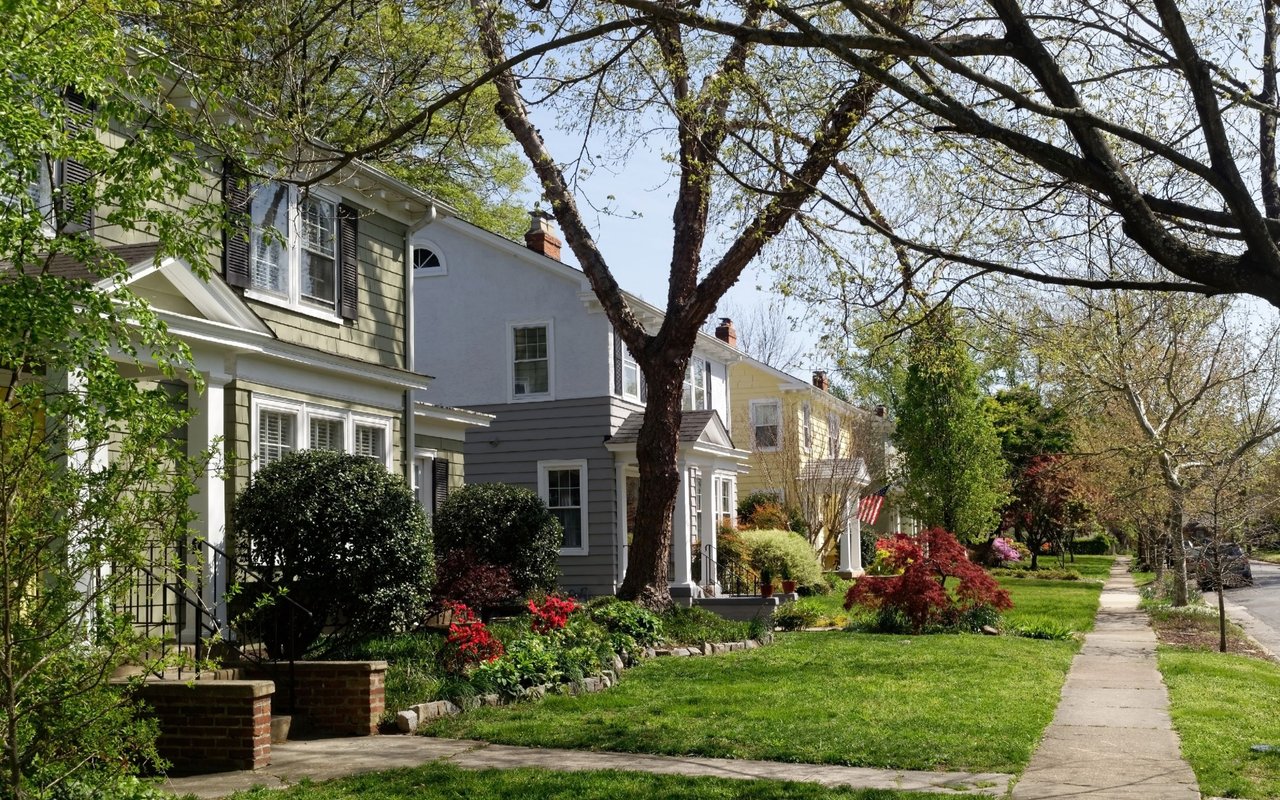
Established suburban neighborhoods are the classic lower-density parts of Henrico. The county describes Suburban Residential areas as places limited to detached single-family homes, usually with curving streets and density caps of 2.4 to 3.4 units per acre.
For many buyers, this style means a more traditional suburban layout. You are more likely to see standalone homes, more separation between properties, and a street pattern designed more for driving than walking.
What this style often includes
Older-suburb examples named in the county plan include Beverly Hills, Regency Park/Farmington, and Ridgehaven. Henrico describes these as older detached single-family neighborhoods, including areas near Regency Square and neighborhoods bordered by busy roads or nonresidential uses.
In nearby corridor areas, the county also notes older housing stock, smaller homes, and long-standing residential uses near places like Lakeside Avenue and Brook Road. That can create a mix of stable residential blocks and nearby commercial activity.
What buyers may like
If you want a detached home and a more private residential setting, this style may feel familiar and comfortable. Lower density usually means more outdoor space and less of a compact, built-up feel.
This can work well if your top priorities are yard space, separation from neighbors, and a home in an established setting. Buyers who prefer a quieter street pattern often start here.
What to think through
The tradeoff is usually convenience versus space. Because these areas follow lower-density suburban design patterns, errands and daily trips may require more driving, and the street network may be less walkable.
That does not make one style better than another. It just means you should picture your normal week and decide whether more privacy or easier access matters more to you.
Newer planned communities in Henrico
If you picture neighborhoods with more internal planning, a mix of home types, and built-in open space, you are likely thinking of Henrico’s Suburban Mixed-Use model. This is the county’s clearest framework for newer planned communities.
Henrico says these areas should feel cohesive rather than like isolated subdivisions. They typically include curving streets, moderate-density residential areas, at least 5% nonresidential land, and at least 15% open space, recreation, or preserved natural resources.
What this style often includes
The county specifically says this type is similar to Twin Hickory, Wyndham, and Wellesley. For buyers, those names are useful shorthand for newer, more planned west Henrico neighborhoods.
These communities can include a mix of housing types rather than just one format. Residential density is generally capped at 4 units per acre or less, which helps preserve a suburban feel while still allowing more variety than a traditional detached-home-only neighborhood.
What buyers may like
This style often appeals to buyers who want newer homes, more neighborhood structure, and easier access to shopping and major roads. In many cases, the planning is designed to create a more cohesive community feel with open space woven into the layout.
Current roadway work in Wyndham helps show that managed approach. Henrico is adding pedestrian crossings, curb ramps, high-visibility crosswalks, speed humps, all-way stops, and proposed bike lanes there.
What to think through
Even with added amenities and planning, these areas still tend to be car-oriented. That is especially relevant in west Henrico, where the Short Pump area is closely tied to I-64, Broad Street, Route 288, and other major travel corridors.
Henrico’s Short Pump area study is reviewing safety and operations along I-64 from Gaskins Road to the Route 288 interchange, including possible changes around Broad Street and North Gayton Road. For buyers, that reinforces how important roadway access is to the way this part of the county functions.
Closer-in urban-edge neighborhoods
If you want a tighter street grid, more housing variety, and stronger transit options, Henrico’s Urban Residential areas may be the best fit. The county describes these places as having a more urban street pattern, smaller lots, and shallower setbacks.
This category can include detached homes, attached or two-family homes, townhouses, condominiums, and zero-lot-line homes. Density is higher than in suburban residential areas, at 3.4 to 6.8 units per acre.
What this style often includes
The county’s corridor descriptions help show where this city-edge pattern appears. The W. Broad Street-West Area is envisioned as a compact, walkable environment with vertically mixed-use structures, structured parking, entertainment venues, and public spaces.
The Lakeside corridor remains mainly retail and commercial, with some residential uses still in place and surrounding neighborhoods that have begun to stabilize. Brook Road is another city-edge example, with older commercial buildings, residential neighborhoods, and plans for future pedestrian improvements.
What buyers may like
This style can be a strong match if you want to be closer to Richmond and want more ways to get around. These areas are the most likely to support shorter drives into the city, more transit access, and more opportunities to walk to nearby services.
Transit is strongest in these closer-in corridors. Henrico’s transit network includes the Pulse, Brook/Chamberlayne, Nine Mile, West Broad, Patterson, Parham, Laburnum, Azalea, and Sandston-Elko service, and the county says the Pulse western extension to Parham Road is underway.
What to think through
Urban-edge does not always mean fully walkable today. In fact, many current county projects show that pedestrian upgrades are still actively being built.
For example, Nine Mile Road is getting sidewalks, ADA ramps, bus stop pads, shelters, crosswalks, and a narrower roadway section. Hermitage Road is also being studied for new sidewalk connections and a pedestrian refuge island.
How to compare Henrico neighborhood styles
Once you know the three main styles, the next step is matching them to your routine. The best neighborhood for you depends on how you want daily life to work, not just what looks good on paper.
Here are the biggest factors to compare as you narrow your search.
Compare yard space and upkeep
Lower-density suburban areas usually offer more private outdoor space. That can be a plus if you want room between homes or value a larger yard.
Urban Residential areas usually trade yard size for a tighter layout and more housing variety. If you prefer less exterior maintenance and more location convenience, that tradeoff may be worth it.
Compare commute patterns
West Henrico neighborhoods tend to lean more on I-64, Route 288, Broad Street, and other major roads. Closer-in areas are more likely to offer direct bus access and pedestrian options.
Henrico also notes that VDOT maintains more than 700 miles of interstates and major roadways in the county, and the county has park-and-ride lots for commuters. That makes transportation style a real part of neighborhood choice.
Compare future change
Some buyers want a neighborhood that feels more settled today. Others are comfortable buying near areas with active planning, infrastructure work, or reinvestment.
Master-planned communities often come with more built-in structure and ongoing traffic management. Older corridor-adjacent neighborhoods may sit closer to active land-use studies and transportation improvements.
Compare walkability realistically
Walkability in Henrico is not a simple yes-or-no feature. It is an active countywide issue that continues to evolve.
As of September 2025, Henrico had 74 active pedestrian-improvement projects totaling $570 million. That means you should look at both current conditions and what is changing nearby.
A simple way to choose your fit
If you feel stuck between several parts of Henrico, keep your comparison simple. Ask yourself how much house, yard, traffic, transit access, and neighborhood change you want in everyday life.
If you want a more traditional detached-home setting, established suburbs may be the best match. If you want newer planning and easier access to shopping and freeways, planned communities may fit better. If you want a tighter street network and stronger transit options, urban-edge areas may be the right direction.
The key is not finding the “best” neighborhood style. It is finding the one that fits your routine, comfort level, and long-term goals.
If you want help narrowing down where to look in Henrico, The Lemus Group can help you compare neighborhoods, home types, and commute patterns with local insight and bilingual support.
FAQs
What are the main neighborhood styles for homebuyers in Henrico?
- Henrico’s planning framework points to three main buyer-friendly styles: established suburbs, newer planned communities, and closer-in urban-edge neighborhoods.
What defines an established suburban neighborhood in Henrico?
- Established suburban neighborhoods in Henrico are generally detached single-family areas with curving streets and lower density, usually around 2.4 to 3.4 units per acre.
What are examples of newer planned communities in Henrico?
- Henrico’s comprehensive plan says the Suburban Mixed-Use model is similar to Twin Hickory, Wyndham, and Wellesley.
What makes urban-edge neighborhoods in Henrico different?
- Urban-edge neighborhoods in Henrico usually have smaller lots, a more connected street pattern, more housing types, and stronger access to transit corridors.
How should homebuyers compare Henrico neighborhoods?
- Homebuyers should compare yard space, maintenance, commute routes, transit access, walkability, and how much future change is happening around the neighborhood.
Is walkability improving in Henrico neighborhoods?
- Yes. Henrico reported 74 active pedestrian-improvement projects totaling $570 million as of September 2025, showing that walkability is an active focus across the county.